
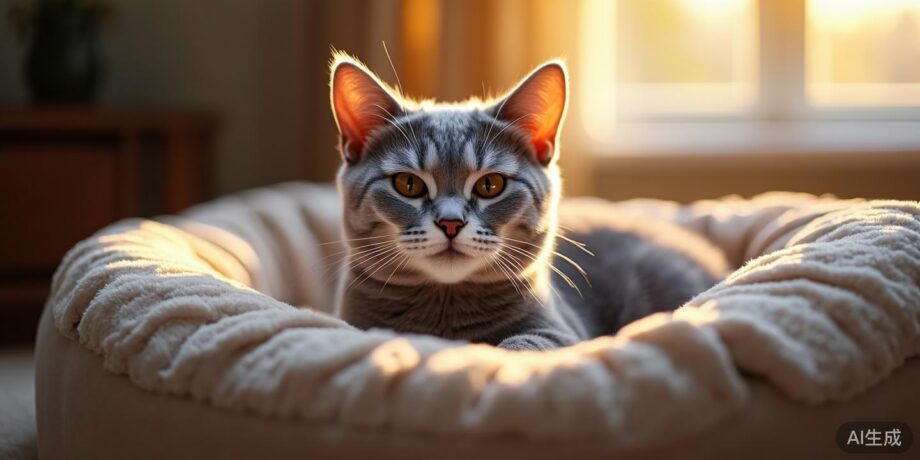
What Counts as a “Senior” Cat? (The Short Answer First)
Vets generally consider cats senior at 11 years old, with the 7–10 range being “mature” and cats past 14 often called geriatric. That surprises many owners because indoor cats routinely live to 18–20, so an 11-year-old can look middle-aged. But internally, the changes are already happening: kidney filtration slows, arthritis sets in (studies suggest over 90% of cats over 12 have visible joint degeneration on X-ray), senses dull, and muscle gives way to fat.
The good news from long-time owners is consistent: senior cats adapt beautifully if you adjust the environment instead of forcing the cat to adapt to it. Below are the seven changes that experienced senior-cat owners describe as genuinely life-improving — for the cat and for themselves — plus the red-flag symptoms that mean “skip the blog post, call the vet.”
Change 1: Lower Everything — Bowls, Beds, and Favorite Perches
The most common mistake owners make is assuming a cat that “still jumps fine” isn’t in pain. Cats hide lameness expertly. Telltale signs: hesitating before a jump, taking intermediate steps onto a chair first, sleeping on the floor when they always used the couch, or missing the jump entirely.
- Raise food and water bowls slightly (a flat placemat or 2–3 cm stand) so the neck stays neutral — noticeable relief for stiff cervical joints.
- Add cheap stepping stools or ramps to the couch, bed, or window perch so climbing is an option, not a leap of faith.
- Move at least one bed to floor level. A heated, low-entry bed your cat can walk into — instead of a tall-walled cave to climb over — is the single most-appreciated upgrade senior owners report. A simple cushion-style low cat cushion bed or a plush deep-sleep cat bed placed away from drafts covers this for under $30.
Change 2: Rethink the Litter Box for Stiff Hips
If your older cat starts missing the box, going next to it, or suddenly refusing it, the problem is usually ergonomics, not attitude. A tall entry wall is a hip-height obstacle for an arthritic cat — and “inappropriate elimination” is one of the top reasons senior cats are surrendered.
- Use a box with a low entry side (under 12 cm) or cut a lower doorway into a storage tote.
- One box per floor if your home has stairs — do not make a stiff cat choose between bladder and knees.
- Manage tracking and missed aim with an extra-large litter mat so small misses stay a 10-second cleanup instead of a source of household tension.
Never punish or scold a senior cat for accidents — pain, not spite, is the cause in the large majority of cases.
Change 3: Take Over the Grooming They Can’t Finish
Senior cats still groom, but flexibility loss means the lower back, hindquarters, and belly get skipped. The result is mats, dandruff, and more hairballs — all fixable with five minutes of help two or three times a week:
- A grooming glove feels like petting, which matters for cats that have gone off brushes. Use it along the spine and flanks where self-grooming has gotten sloppy.
- For undercoat buildup on the back legs, a steam brush loosens dead coat with warm mist and is gentler on thin senior skin than stiff metal rakes.
- Longhair seniors may need a sanitary trim from a groomer every 8–12 weeks. Weight loss from muscle loss often shows as sudden matting — mention it at the next vet visit.
Change 4: Make Food and Water Effortless
Two quiet killers of senior cats are under-eating and dehydration (kidney disease is the #1 senior-cat diagnosis, and water intake is half the battle). Effort matters more than appetite: if getting to the bowl is work, intake drops.
- Keep water in at least two rooms, far from the food bowl (cats prefer drinking away from where they eat). Many senior owners add a circulating fountain like a 2.2L cat water fountain — moving water stays fresher and encourages sipping.
- If arthritis makes even raised bowls awkward, an all-in-one station like a 2-in-1 elevated feeder and waterer keeps everything at standing height in one spot.
- For cats on strict portions (common with kidney or weight diets), a smart automatic feeder removes the guesswork and the 5 a.m. wake-up yowling for food.
Change 5: Warmth Is Not a Luxury After 11
Older cats thermoregulate worse: less muscle mass, thinner fat, worse circulation. That’s why senior cats migrate to radiators, laptops, and sunny patches. Give them a proper option:
- A self-warming (thermal-reflective) pad in the coldest months, or a bed near — never touching — a heat vent.
- Keep the thermostat from dropping far below 18°C / 64°F in winter if your senior cat has become noticeably stiff; warmth measurably eases arthritic joints.
- Watch body condition: a bony spine or hips despite a good appetite is muscle loss (sarcopenia), not “just aging” — your vet can adjust protein intake.
Change 6: Downshift Play, Don’t Stop It
Play is physical therapy for senior cats — it protects joints, weight, and cognition. The change is intensity, not existence:
- Swap aerial leaps for ground-level chases: drag a wand toy along the floor so the pounce is horizontal, not vertical.
- Short sessions win: 3–5 minutes, two or three times a day beats one long session that ends in panting or a limp.
- Food-dispensing toys keep a slowing brain working at mealtimes. A varied cat toys mixed pack lets you rotate weekly so an older nose doesn’t go scent-blind to the same old prey.
Cognitive dysfunction (feline dementia) affects a meaningful share of cats past 15 — signs include night yowling, confusion in familiar rooms, and reversed sleep cycles. Structured daily play and feeding routines measurably slow it down.
Change 7: Home Monitoring That Catches Problems Early
Senior cats should see the vet every 6 months with bloodwork — but between visits, four home metrics catch most early disease:
- Weight: weigh yourself holding the cat, then subtract, monthly. Losing grams slowly is the earliest sign of hyperthyroidism, kidney disease, and more. A kitchen scale works for kittens; this trick works for seniors.
- Water intake: noticeably emptier bowls or clumps in the litter box getting bigger = drink more = kidneys or thyroid. Book the bloodwork.
- Litter output: smaller, fewer clumps over 48 hours with normal eating is a vet-today situation (urinary blockage risk, especially in males).
- Gait on video: film 20 seconds of your cat walking and jumping once a month. Side-by-side footage shows decline your daily eye misses, and your vet will love you for it.
Red flags that skip home care entirely: not eating for 24+ hours, repeated vomiting, labored breathing, sudden blindness or circling, crying in the litter box, or a cold rear leg — these are same-day emergencies in a senior cat.
FAQ: Senior Cat Care
How old is a senior cat?
Most vets use: mature at 7–10, senior at 11–14, geriatric at 15+. Cats age roughly 4 “human years” per calendar year after age 7, so an 11-year-old cat is comparable to a 60-year-old person — old enough that screening pays off, young enough for many good years with the right setup.
Why has my old cat stopped using the litter box?
In seniors it is usually physical, not behavioral: high entry walls hurt arthritic hips, or the box is now behind a staircase expedition. Switch to a low-entry box on every floor, add a mat for near-misses, and mention it to your vet — pain, constipation, and urinary issues all present this way too.
Do senior cats need special food?
There is no one “senior formula” — the right diet depends on bloodwork. Kidney diets, thyroid management, joint-support supplements, and weight control all pull in different directions, so let annual (or twice-yearly) blood results choose the food, not the label’s marketing.
How can I tell if my senior cat is in pain?
Cats rarely cry. Watch for: reduced grooming of the hindquarters, hesitating before jumps, irritability when touched, sleeping in easier-to-reach spots, and a stiffer, straighter sitting posture. Any of these warrant a vet pain assessment — modern feline pain management works very well.